How Heat and Santa Ana Winds Affect Epoxy Installation
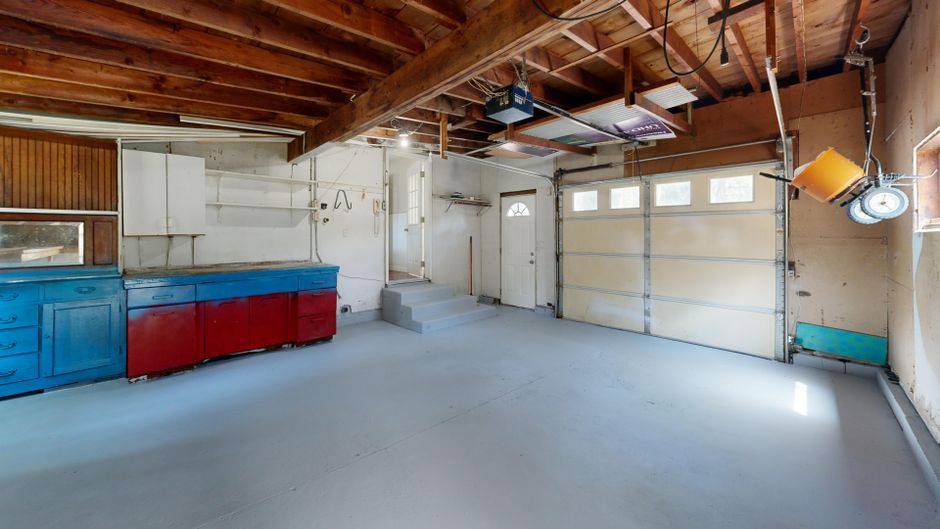
The hiss of tiny bubbles popping in a wet coat on a warm afternoon is the sound of a slab breathing out. Every failed floor logged by commercial epoxy flooring riverside cure pittsburgh shows the same thing, a coating that went down against a temperature or moisture condition nobody measured. In Riverside, CA, summer heat, dry wind and sunny bay doors push epoxy flooring jobs toward that mistake.
Heat shortens the pot
The reaction between resin and hardener gives off heat, and higher temperatures speed it up. Hot weather shortens pot life and working time. Mixed epoxy left in the bucket heats much faster than material spread thin on the floor, so it is poured out promptly after mixing. Heat does not make the cure better, only faster, and a fast cure leaves less time to roll the base coat and tie in the edges.
Read the slab, not the air
Slab temperature affects cure more than air temperature, so the concrete surface is checked with an infrared thermometer before anything is mixed. A shop can feel mild while the slab is still cold from the night. Every product lists minimum and maximum application temperatures on its data sheet, and a cold slab slows cure considerably. The primer, base coat and polyaspartic topcoat each carry their own window, so each sheet gets read.
Dew point and outgassing
A common requirement is that the slab stay at least 5 F above the dew point. Closer than that, moisture condenses and amine blush leaves a greasy, cloudy film under the next coat. Rising slab temperature is the other trap. As concrete warms, air expands out of the pores and rises through the wet film, leaving pinholes and bubbles. Coating while the slab is steady or cooling reduces outgassing, and that timing matters most after diamond grinding has opened the surface.
Santa Ana winds and dust
Santa Ana winds bring dry air and blowing dust across the Inland Empire, and dust that lands in a wet coating stays there. Doors are kept closed during application and early cure. Fans blowing across wet epoxy do not help it level, and they can carry dust onto the surface. A vinyl flake broadcast into a base coat that has already skinned will not seat properly, so air movement stays low until the film sets.
Sun through the bay door
Direct sun through an open bay door can heat one strip of slab far more than the shaded floor beside it. Working time and cure then differ across the same floor, which shows later as lap marks and uneven gloss in the clear coat. Doors are shaded, work is staged along the sun line, and the thermometer is run across the whole slab again before each coat, not only at the start.