How to Judge a Commercial Epoxy Flooring Proposal

Two bids differ by a few hundred dollars, and one of them leaves out the grinding. A commercial epoxy proposal for a shop, kitchen or warehouse in Riverside, CA should name its prep and its mil thickness before it names a price, as the notes at commercial epoxy flooring riverside cure pittsburgh describe. Anything vaguer than that prices a different job from the one that gets done.
Prep method and surface profile
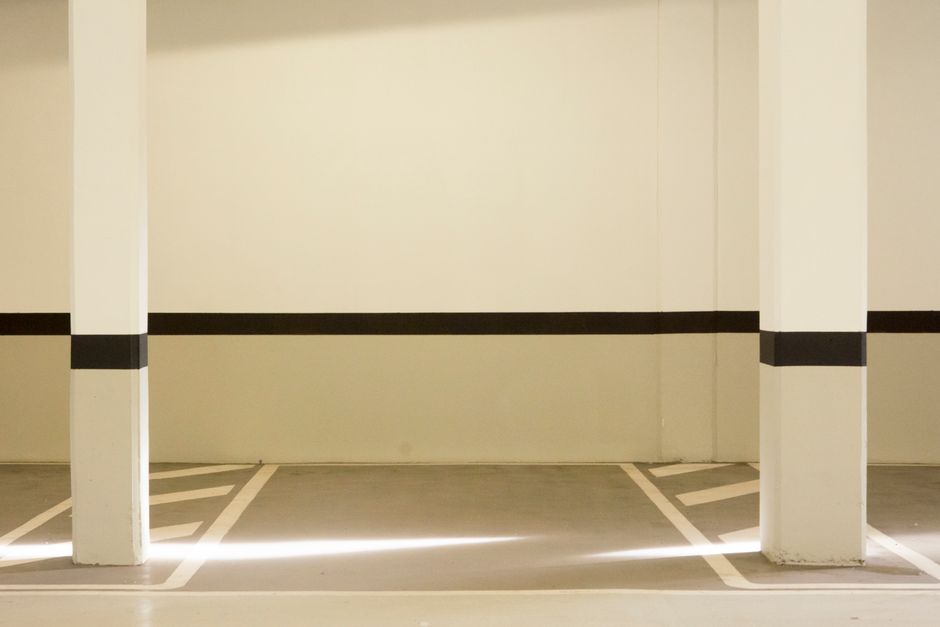
The proposal should say whether the slab gets diamond grinding or shot blasting, and what surface profile that leaves for the coating. Grinding opens the paste and takes off sealers, old paint and laitance. Shot blasting suits large open slabs and heavy buildup. A line that says only "prep surface" tells nothing about which machine runs or what the concrete looks like afterward.
Moisture testing
Slabs in the Inland Empire can hold vapor even when the weather is dry, so the proposal should state how moisture will be tested. It should also say what happens when readings run over the product limit. The usual answer is a moisture mitigation primer, written in as its own line with its own thickness and cost.
The coat schedule
Each coat should be listed by product type and thickness in mils: primer, epoxy base coat, broadcast media, then topcoat. Broadcast media might be vinyl flake, quartz sand or metallic pigment, or the floor may be a plain solid color. The final clear coat is commonly polyaspartic, polyurea or urethane, chosen for abrasion and chemical load. A thicker build is not automatically better. It should match the traffic and the substrate. The installer should hand over product data sheets and safety data sheets for every material on the list.
Joints, cracks and cure times
Control joints, construction joints and cracks each need a stated treatment. Cracks are routed and filled, and joints are cleaned and filled with a flexible material instead of being coated over rigid. Cure times should come as three separate numbers: foot traffic, vehicle traffic and full chemical exposure. The fastest schedule is not the best plan if it puts a forklift on a coating that has not cured.
Occupied buildings and proof of work
When the building stays open, the proposal should cover odor, ventilation and phasing around business hours. Santa Ana winds push dust through open bay doors, so the plan should say how the work area is sealed off. Ask to see finished floors in similar commercial uses, ideally in Riverside County, and look at them under traffic. A warranty does not replace skipped prep, so judge the floor by what it has survived.