Which Epoxy System Fits a Warehouse, Kitchen or Showroom
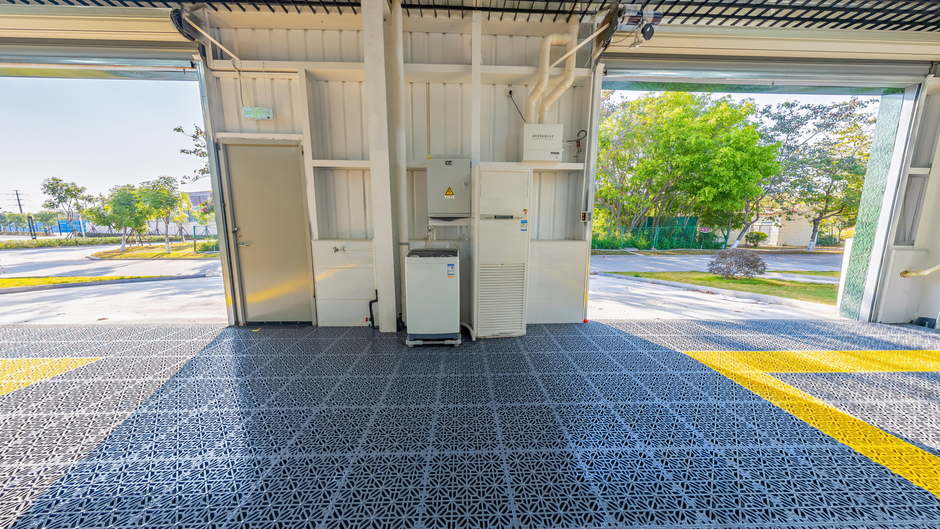
Most buyers compare epoxy quotes by price per square foot and never ask what chemistry is actually in the bucket. The breakdown sitting on commercial epoxy flooring riverside cure pittsburgh lists the systems in order, from thin roll coats to troweled mortar, for shops, kitchens and warehouses around Riverside, CA. Each system fails in its own way, so matching it to the room matters more than the brand name on the pail.
Mix ratio and cure

Epoxy is a resin and a hardener that cure by chemical reaction, not by drying. The ratio on the data sheet has to be followed exactly, by the measure the sheet gives. Off-ratio material stays soft or tacky, and waiting does not fix it. Retail garage floor kits are not equivalent to commercial systems, and all epoxy products do not perform the same. Prep counts as much as the mix. Diamond grinding opens the concrete so the primer can grip, and a slab that was only acid washed gives it much less to hold.
Sun, doors and yellowing
Standard epoxies are aromatic, and they turn amber or yellow under ultraviolet light. Near a sunny roll-up door or a window in the Inland Empire, the floor is usually finished with an aliphatic polyurethane or polyaspartic topcoat. The base coat underneath can stay epoxy, since the topcoat takes the sun. Shaded interior bays rarely need that extra step.
Heat and washdowns
Standard epoxy is not unaffected by heat and hot water. Repeated hot washdowns and cooking spills put thermal shock into the slab and the coating. Urethane cement, also called urethane mortar, tolerates that shock better, which makes it common in commercial kitchens. It goes down much thicker than a roll coat, and the crew works fast because the material sets quickly.
Chemical exposure
Novolac epoxies have a higher crosslink density than standard bisphenol A epoxies. They resist strong acids and solvents better, so they get specified for secondary containment and battery rooms. A spill that dulls a standard coat in a day may leave a novolac coat nearly untouched, though the data sheet for the specific chemical still decides.
Thickness, grip and finish
Thin roll applied coatings suit light traffic. Self leveling and troweled mortar systems are far thicker and stand up better to forklift wheels, dropped loads and impact at warehouse dock edges. For grip, quartz sand or aluminum oxide is broadcast into the wet coat and sealed in. Aluminum oxide is harder and holds its texture longer under heavy wear. Showrooms and retail spaces often use vinyl flake or metallic pigment systems for looks, and those still need a clear coat to protect the finish from scuffs and cleaners.